Frequently Asked Questions About mini split heat pump
Most Frequently Asked Questions
Disadvantages of a mini split heat pump include higher initial installation costs and the need for professional installation, as well as potential aesthetic concerns due to the visible indoor units.
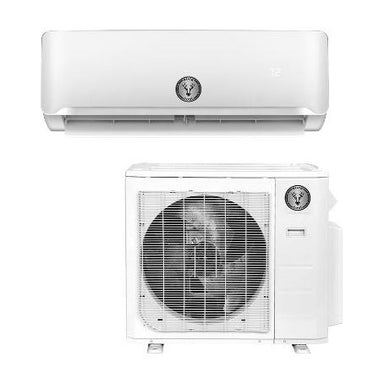
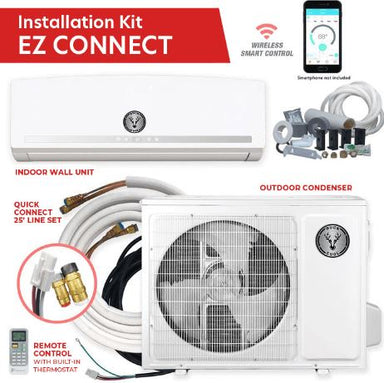
The main difference is that a mini split is a type of heat pump that consists of an outdoor compressor and one or more indoor air-handling units, allowing for zoned heating and cooling without ductwork.
Yes, most mini split systems are designed as heat pumps, providing both heating and cooling capabilities in a single unit.
Other Questions
A mini split heat pump can typically heat spaces ranging from 300 to 1,500 square feet, depending on the unit's capacity and the specific heating needs of the area.
Mini splits may not be as popular in some regions due to higher upfront costs, installation complexity, and a lack of awareness about their benefits compared to traditional HVAC systems.
Mini splits should not be installed in areas with extreme temperatures, such as uninsulated garages or basements, where they may struggle to operate efficiently.
Many modern mini split systems are designed to operate in extreme cold, but their efficiency can decrease significantly as temperatures drop, so it's important to choose a model rated for low temperatures.
Mini splits generally do not devalue a house; in fact, they can add value by improving energy efficiency and providing effective heating and cooling.
The life expectancy of a mini split heat pump is typically around 15 to 20 years with proper maintenance.
It is not necessary to have a mini split in every room; you can strategically place units in key areas to achieve effective heating and cooling throughout the home.
Mini split heat pumps are generally energy-efficient and use less electricity compared to traditional heating and cooling systems, making them cost-effective options in the long run.